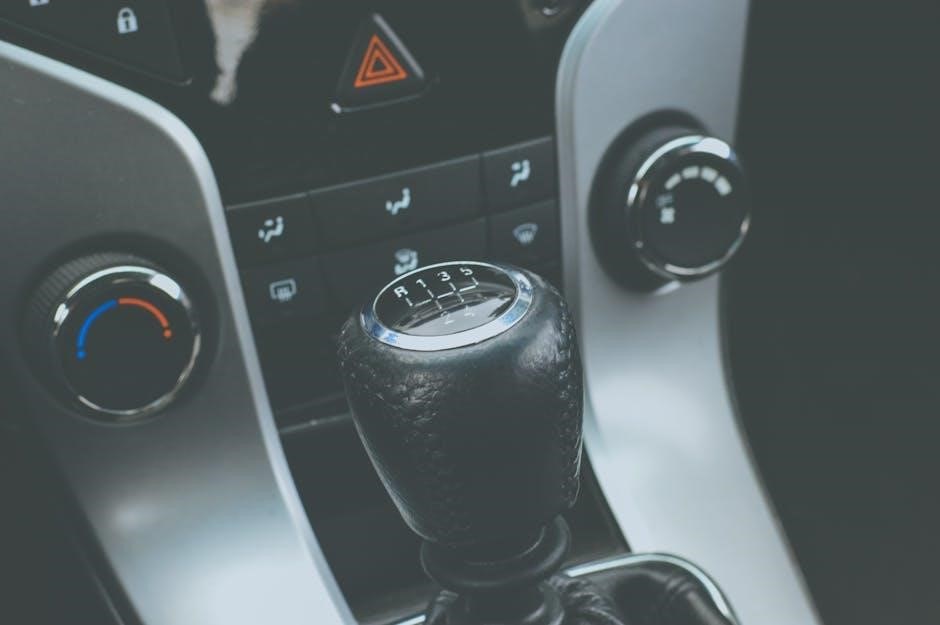
Remote Start Systems for Manual Transmission Vehicles: A Comprehensive Guide

Installing remote starters in manual transmission vehicles presents unique challenges‚ primarily concerning safety and liability. Modules exist‚ but installers often hesitate due to potential risks.
Understanding the Challenges
The core difficulty with implementing remote start systems in manual transmission vehicles stems from their inherent safety mechanisms. Unlike automatic transmissions‚ manuals demand active driver engagement with both the clutch and gear selection‚ introducing a significant potential for unintended vehicle movement during the remote start process. This contrasts sharply with automatics‚ where the transmission inherently prevents starting in gear.
A primary concern revolves around preventing the vehicle from lurching forward or backward if inadvertently left in gear. This risk necessitates careful consideration of the vehicle’s existing safety features and the integration of additional safeguards within the remote start system. Simply bypassing the clutch requirement isn’t a viable solution due to the obvious safety implications.
Furthermore‚ the complexity increases with variations in vehicle models; a manual transmission Yaris‚ for example‚ will require a specifically designed remote starter or a robust workaround involving the clutch safety switch. Successfully navigating these challenges demands a thorough understanding of both the vehicle’s mechanics and the intricacies of remote start technology.
The Core Safety Concerns
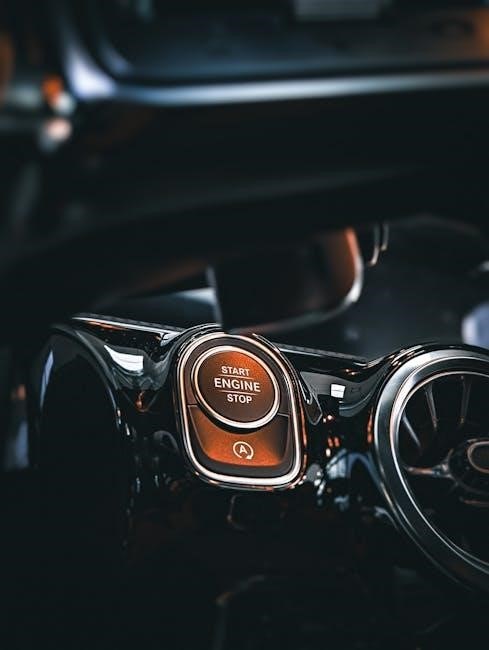
The paramount safety concern when installing a remote start in a manual transmission vehicle is the potential for unintended vehicle movement. If the system bypasses the clutch safety mechanism without adequate safeguards‚ the car could conceivably start in gear‚ leading to a dangerous lurch forward or backward. This poses a significant risk to people and property in the immediate vicinity.
Liability is another critical consideration. Installers and vehicle owners could face legal repercussions if the remote start system malfunctions and causes an accident. Therefore‚ a robust understanding of safety protocols and adherence to industry best practices are absolutely essential.
Beyond the immediate risk of lurching‚ there’s the concern of the vehicle rolling away on an incline if the parking brake isn’t properly engaged. A faulty or improperly adjusted neutral safety switch exacerbates these risks. Addressing these concerns requires careful system design‚ meticulous installation‚ and ongoing maintenance to ensure continued safe operation.
Neutral Safety Switch: The Critical Component
The neutral safety switch (NSS) is arguably the most vital component when integrating a remote start system into a manual transmission vehicle. Its primary function is to prevent the engine from starting unless the transmission is in neutral or the clutch pedal is fully depressed. This simple yet crucial mechanism safeguards against the potentially hazardous scenario of the vehicle unexpectedly lurching forward or backward upon remote activation.
Without a functioning NSS‚ or a properly implemented bypass system that replicates its safety function‚ the risk of an accident dramatically increases. Modern cars often incorporate a clutch interlock‚ further emphasizing the importance of this safety feature. The NSS isn’t merely a convenience; it’s a fundamental safety requirement.
Regular inspection and maintenance of the NSS are non-negotiable. Wear and tear can compromise its functionality‚ rendering the remote start system unsafe. Proper installation and adjustment are equally critical to ensure reliable operation and prevent unintended vehicle movement.
How a Neutral Safety Switch Works
The neutral safety switch operates on a relatively straightforward principle: it completes the electrical circuit that allows the starter motor to engage only when the vehicle is in a safe state. In a manual transmission‚ this typically means either the transmission is physically in neutral‚ or the clutch pedal is fully depressed‚ disengaging the engine from the drivetrain.
The switch itself is mechanically linked to the gear selector or clutch pedal. When the conditions for a safe start aren’t met – for example‚ the transmission is in gear and the clutch isn’t pressed – the switch remains open‚ preventing power from reaching the starter solenoid. Conversely‚ when the conditions are met‚ the switch closes‚ completing the circuit and allowing the engine to crank.
This system effectively prevents accidental starts in gear‚ which could result in sudden and dangerous vehicle movement. It’s a crucial layer of protection‚ especially when considering the added complexity of a remote start system bypassing the traditional driver input.
Types of Neutral Safety Switches
Neutral safety switches aren’t universally identical; they come in several designs tailored to different transmission types and vehicle manufacturers. For manual transmission vehicles‚ the most common types are those directly linked to the clutch pedal and those integrated with the gear shift mechanism.
Clutch Pedal-Activated Switches: These switches are positioned to detect the full travel of the clutch pedal. They typically utilize a plunger or lever that is depressed when the pedal is fully engaged‚ closing the circuit. These are frequently found in older vehicles and simpler systems.
Gear Shift-Integrated Switches: More modern systems often incorporate the neutral safety switch directly into the gear shift assembly. These switches sense when the transmission is in neutral‚ completing the circuit. They can be more complex‚ utilizing multiple contacts to ensure accurate detection.
Furthermore‚ switches can vary in their electrical configuration – some are simple on/off switches‚ while others offer multiple outputs for various safety functions. Understanding the specific type present in a vehicle is crucial for proper remote start system integration.
Installation and Adjustment of the Switch
Proper installation and adjustment of the neutral safety switch are paramount for safe remote start operation in manual transmission vehicles. Incorrect installation can lead to the vehicle starting in gear‚ posing a significant hazard. The process typically involves securely mounting the switch in its designated location‚ ensuring it interacts correctly with the clutch pedal or gear shift mechanism.
Adjustment is critical. The switch must be calibrated so it only allows starting when the clutch pedal is fully depressed or the transmission is definitively in neutral. This often involves fine-tuning the switch’s position or the sensitivity of its activation point. Using a multimeter to verify continuity is essential during adjustment.

Wiring connections must be secure and properly insulated to prevent shorts or intermittent signals. Following the vehicle’s wiring diagram and the remote start system’s instructions is crucial. After installation‚ thorough testing is required to confirm the switch functions as intended under all conditions.
Remote Start System Compatibility
Not all remote start systems are compatible with manual transmission vehicles. Many are designed exclusively for automatic transmissions‚ lacking the necessary features to safely interface with a clutch-based system. Compatibility hinges on the system’s ability to integrate with‚ or bypass‚ the neutral safety switch – a critical component in manual cars.

Systems specifically marketed for manual transmissions‚ or those offering a manual transmission module‚ are the safest options. These systems often include features like clutch pedal position sensing or require a confirmed neutral position before allowing a start. Universal systems may work‚ but require careful installation and configuration by a skilled technician.
Researching compatibility before purchasing is vital. Check the manufacturer’s specifications and consult with a professional installer to ensure the chosen system is suitable for your vehicle’s make‚ model‚ and year. Ignoring compatibility can lead to system malfunction‚ safety hazards‚ and potential damage to the vehicle’s electrical system.
Compustar RS1B-AL and Similar Modules
The Compustar RS1B-AL is a popular bypass module often utilized in manual transmission remote start installations‚ designed to address the clutch safety switch requirement. It allows the system to temporarily override the switch‚ enabling remote starting while incorporating safety protocols. Similar modules from other manufacturers‚ like Fortin and iDatalink‚ offer comparable functionality.
These modules don’t simply disable the safety switch; they aim to replicate its function. They typically require a confirmed neutral position and often integrate with the vehicle’s CAN bus system for enhanced control and diagnostics. Proper programming is crucial to ensure the module operates correctly and doesn’t compromise vehicle safety.

However‚ even with these modules‚ professional installation is strongly recommended. Incorrect wiring or configuration can lead to unintended vehicle movement or system failure. The RS1B-AL and its counterparts are tools‚ and their effectiveness relies heavily on the installer’s expertise and adherence to safety guidelines.
Bypassing the Clutch Safety Switch: Risks and Considerations
Directly bypassing the clutch safety switch without a proper module is extremely dangerous and strongly discouraged; This eliminates a critical safety feature designed to prevent unintended vehicle movement during remote start. The potential for the car to lurch forward or backward if left in gear is significant‚ posing a serious risk of property damage‚ injury‚ or even fatality.
Even with modules like the Compustar RS1B-AL‚ risks remain if not installed and programmed correctly. A faulty installation could lead to the switch being bypassed inappropriately‚ or the module failing to recognize a non-neutral gear position. Thorough testing after installation is paramount.
Liability is a major consideration. If an accident occurs due to a bypassed or malfunctioning clutch safety switch‚ the vehicle owner and installer could face legal repercussions. Prioritizing safety and utilizing approved modules are essential to mitigate these risks and ensure responsible remote start system implementation.
Potential for Vehicle Lurching
The primary difficulty with remote starting a manual transmission vehicle lies in preventing unintended movement. Unlike automatic transmissions‚ manuals require the driver to actively engage the clutch and select a gear‚ creating a significant risk if the car isn’t in neutral during start-up. This can result in a sudden and dangerous lurch forward or backward.
Even a slight incline can exacerbate the problem‚ causing the vehicle to roll unexpectedly. The force of the engine starting can overcome the parking brake in some situations‚ leading to a more substantial and uncontrolled movement. This is particularly concerning in populated areas or near obstacles;
Properly functioning safety mechanisms‚ like the neutral safety switch‚ are crucial to mitigate this risk. However‚ bypassing or improperly installing these systems dramatically increases the potential for a lurching incident‚ highlighting the importance of professional installation and thorough testing.
Preventing Unintended Movement During Start-Up
Ensuring the vehicle remains stationary during remote start is paramount for safety. This is achieved through a combination of properly functioning safety systems and careful installation procedures. The neutral safety switch plays a vital role‚ verifying the transmission is in neutral or park before allowing the engine to engage.
Beyond the switch‚ installers must confirm the parking brake is firmly engaged. While not a substitute for the neutral safety switch‚ it provides an additional layer of security. Some advanced systems incorporate clutch pedal position sensing‚ further verifying the driver’s intended operation.
Regular inspection and maintenance of the neutral safety switch are essential. Wear and tear can compromise its functionality‚ increasing the risk of unintended movement. Professional installation ensures correct adjustment and wiring‚ minimizing the potential for errors that could bypass safety features.
Addressing Clutch Pedal Position Sensing
Clutch pedal position sensing offers a sophisticated approach to remote start safety in manual transmission vehicles. Unlike relying solely on a neutral safety switch‚ this technology actively monitors the clutch pedal’s position‚ preventing start-up if it isn’t fully depressed. This adds a crucial layer of redundancy‚ mitigating the risk of accidental vehicle lurching.
Implementing this requires specialized modules and careful calibration. The system needs to accurately interpret the signal from the clutch pedal sensor‚ distinguishing between a fully depressed pedal and any other position. Proper wiring and integration with the remote start system are critical for reliable operation.
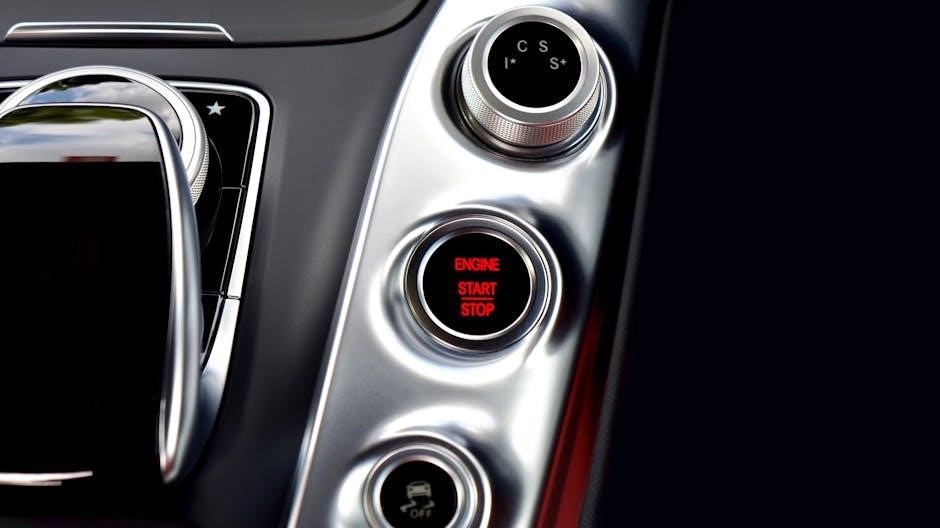
While more complex than traditional methods‚ clutch pedal position sensing provides enhanced peace of mind. It addresses a key concern surrounding manual transmission remote starts – the potential for unintended movement. This technology represents a significant advancement in safety features for these systems.
DIY Neutral Safety Switch Solutions
For experienced automotive enthusiasts‚ crafting a DIY neutral safety switch solution can be a viable‚ though demanding‚ option. This typically involves utilizing a microswitch activated by the gear selector position‚ ensuring the engine only starts when the vehicle is demonstrably in neutral or park. Thorough understanding of vehicle wiring diagrams is paramount.
However‚ DIY approaches require meticulous attention to detail and a strong grasp of electrical principles. Incorrect wiring or a poorly positioned switch can compromise safety‚ potentially allowing the vehicle to start in gear. Rigorous testing and validation are absolutely essential before relying on a homemade solution.
Online resources‚ like Google searches for “DIY neutral safety switch‚” offer guidance and schematics. Despite these resources‚ professional installation remains the recommended path for most‚ minimizing risk and ensuring compliance with safety standards. Proceed with extreme caution if attempting a DIY solution.
Testing and Troubleshooting the Neutral Safety Switch
Regular testing of the neutral safety switch is crucial for maintaining the safety and reliability of a remote start system in a manual transmission vehicle. A multimeter can be used to verify continuity through the switch in neutral and park‚ confirming it’s functioning as intended. Any lack of continuity indicates a potential failure.
Troubleshooting often begins with visually inspecting the switch and its wiring for damage or corrosion. If the switch appears intact‚ testing its output signal while shifting through gears can pinpoint intermittent issues. Worn or loose connections are common culprits‚ easily addressed with cleaning or tightening.

Switch failure due to wear and tear is a frequent occurrence‚ necessitating replacement. Before replacing‚ ensure the adjustment is correct; improper adjustment can mimic a faulty switch. If problems persist after testing and adjustment‚ a new neutral safety switch is likely required to restore safe remote start operation.
Maintenance and Inspection for Long-Term Safety
Consistent maintenance and regular inspection of the neutral safety switch are paramount for ensuring the continued safe operation of a remote start system in a manual transmission vehicle. This proactive approach minimizes the risk of unexpected vehicle movement during remote start attempts.
Periodic visual checks of the switch and its wiring harness should be conducted‚ looking for signs of wear‚ corrosion‚ or damage. Pay close attention to the switch’s adjustment‚ verifying it accurately detects the neutral position. Any discrepancies should be addressed immediately.
Furthermore‚ incorporating the neutral safety switch into routine vehicle maintenance schedules is highly recommended. This ensures its functionality isn’t overlooked. Addressing potential challenges‚ such as switch failure‚ through regular inspections directly links to ensuring overall safety and preventing potentially hazardous situations.
Legal and Liability Aspects
The installation of remote start systems in manual transmission vehicles introduces significant legal and liability considerations for both installers and vehicle owners. Due to the inherent safety risks associated with bypassing safety mechanisms‚ installers must exercise extreme caution and adhere to all applicable local and national regulations.
Proper documentation of the installation process‚ including verification of the neutral safety switch functionality and any bypass procedures employed‚ is crucial. This documentation serves as evidence of due diligence in the event of an incident. Vehicle owners should be fully informed about the potential risks and limitations of the system.
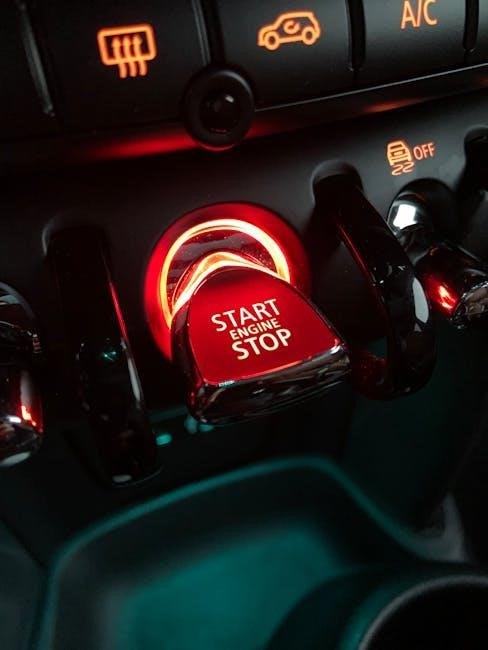
Liability concerns arise from the possibility of unintended vehicle movement causing property damage‚ personal injury‚ or even fatalities. Installers could face legal repercussions if a system is improperly installed or if safety features are compromised. Therefore‚ professional installation and adherence to safety standards are paramount.
Professional Installation Recommendations
Given the complexities and safety concerns surrounding remote start installation in manual transmission vehicles‚ professional installation is strongly recommended. Qualified technicians possess the expertise to properly assess vehicle compatibility‚ install necessary components‚ and thoroughly test system functionality.
A comprehensive installation should begin with a detailed inspection of the vehicle’s neutral safety switch‚ ensuring it operates correctly. Technicians should utilize high-quality bypass modules‚ like the Compustar RS1B-AL‚ and meticulously follow manufacturer instructions. Proper wiring and secure connections are essential to prevent malfunctions.
Post-installation‚ rigorous testing is vital‚ including verifying the system only starts in neutral and that there is no unintended vehicle movement. Clear communication with the vehicle owner regarding system operation and limitations is also crucial. Prioritizing safety and adherence to industry best practices minimizes risks and ensures a reliable remote start experience.
Future Trends in Manual Transmission Remote Start Technology
The future of manual transmission remote start systems likely hinges on advancements in sensor technology and sophisticated control algorithms. Current systems rely heavily on the neutral safety switch‚ but future iterations may incorporate clutch pedal position sensing for enhanced safety and precision.
We can anticipate the development of more intelligent bypass modules that dynamically assess vehicle state before initiating a start sequence. These systems could potentially utilize data from multiple sensors to confirm the vehicle is in a safe condition‚ minimizing the risk of lurching or unintended movement. Integration with smartphone applications for remote monitoring and control is also probable.
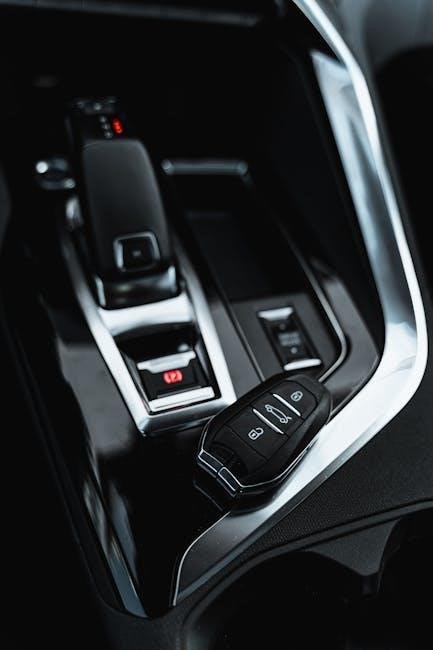
Furthermore‚ improved diagnostic capabilities will allow for easier troubleshooting and maintenance. As technology evolves‚ the goal remains to provide a safe‚ reliable‚ and user-friendly remote start experience for manual transmission vehicle owners‚ addressing existing concerns and pushing the boundaries of automotive convenience.